Related Articles
- Uncharted Realms: Unveiling Serverless’ Role in Revitalizing Local Economies and Microbusiness Ecosystems
- Unearthing Surprising Synergies: How Serverless Solutions are Reinventing Events and Experiential Marketing Strategies
- Serverless Beyond the Cloud: Unpacking Its Role in Wildfire Management and Ecological Restoration Efforts
- Harnessing Digital Detox: Unplugging to Unleash Creative Energy and Ignite Workplace Performance
- The Surprising Role of Aroma: How Scents Can Unleash Hidden Productivity Boosts in Your Workspace
- Unlocking the Power of Serendipity: How Chance Encounters Can Enhance Team Productivity and Innovation
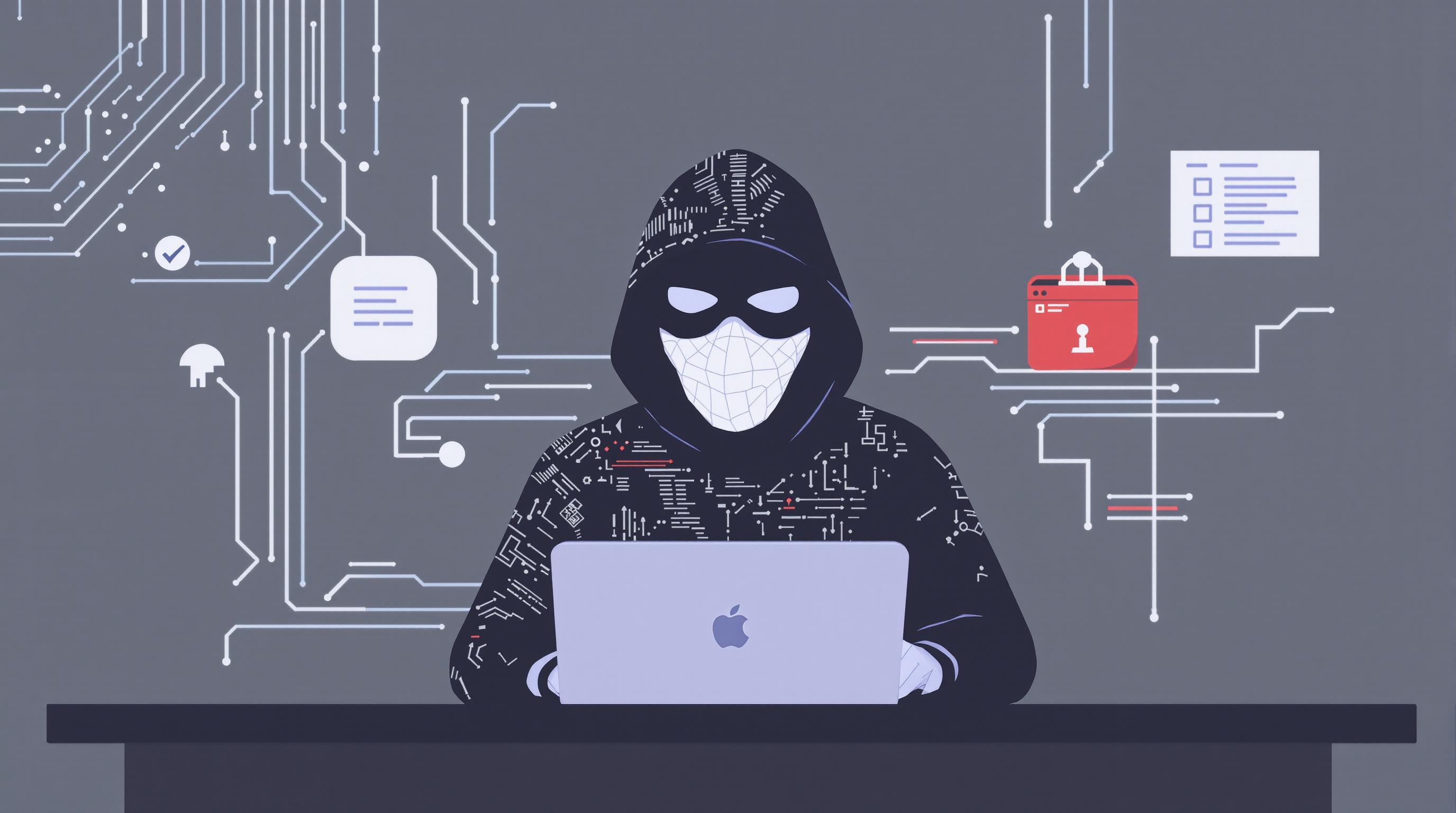
Hacker Ethics: Unpacking the Morality Behind Penetration Testing in Our Digital Age
Hacker Ethics: Unpacking the Morality Behind Penetration Testing in Our Digital Age
In our increasingly digital world, the concept of hacker ethics has emerged as a crucial dialogue surrounding the practice of penetration testing. By exploring the moral implications of ethical hacking, we better understand the fine line between right and wrong in today’s cyber landscape.
Understanding Penetration Testing
Penetration testing, often referred to as "pen testing," involves simulating cyberattacks on systems, networks, or applications to identify vulnerabilities before malicious hackers exploit them. This practice is a critical component of an organization’s cybersecurity strategy and has become an essential skill in the job market, with estimates suggesting that employment for information security analysts will grow by 31% from 2019 to 2029 (U.S. Bureau of Labor Statistics).
The Ethics of Hacking
Did you know that more than 50% of security breaches in the last few years were attributed to human errors? Recognizing this alarming statistic, many organizations now hire ethical hackers to test their systems proactively. But what really defines an ethical hacker? Is it merely having the right certifications, or does it require a deeper understanding of morality and ethics?
A Historical Context
The origins of ethical hacking trace back to the 1960s and 1970s when early computer scientists experimented with different ways to breach systems simply for the challenge of it. These pioneers—often referred to as "hacktivists" or "white hats"—were driven by curiosity and a desire for knowledge rather than malicious intent. However, as technology evolved, so did the tactics and motives of hackers, creating the need for a formal ethical framework.
Case Study: The Target Breach
Take the infamous Target data breach of 2013 as a prime example. Hackers exploited common security vulnerabilities, ultimately compromising the credit card information of about 40 million customers. Had Target engaged ethical hackers to conduct thorough penetration tests on their systems, they may have identified and resolved these vulnerabilities beforehand. This incident had profound implications, not only financially but also reputationally, underlining the importance of ethical hacking in modern cybersecurity.
The Ethical Hacker's Toolbox
To effectively perform penetration testing, ethical hackers utilize an arsenal of tools, from port scanners like Nmap to web application testing frameworks like OWASP ZAP. However, possessing these tools is only part of the equation. Ethical hackers must also adhere to established guidelines, such as obtaining proper authorization before testing and maintaining the confidentiality of the findings. The commitment to these ethical standards forms the bedrock of their practice.
The Hacker's Dilemma
But here’s where the waters get murky: what happens when an ethical hacker discovers vulnerabilities that they are not authorized to fix? This “hacker's dilemma” puts individuals in a moral quandary. Should they alert the organization of their findings, potentially risking their job security? Or, should they take it upon themselves to patch the vulnerable code, which could be considered unauthorized access? Ah, the joys of moral ambiguity!
Defining Hacker Ethics
Hacker ethics can be traced back to several key principles. One of the most referenced codes of ethics comes from the late 1980s: "The hacker code of ethics," which emphasizes sharing information, advocating for the free flow of data, and fighting censorship. As communities of digital nomads, ethical hackers often collaborate to develop universally accepted ethical standards that guide their work.
A New Era: The Rise of Cybersecurity Awareness
With increasing digital interactions, awareness about cybersecurity is at an all-time high. In 2022, 83% of organizations admitted that they had suffered from a cyber attack at some point. This growing awareness has led to a corresponding rise in the demand for ethical hackers. According to a report by Cybersecurity Ventures, the global shortage of cybersecurity professionals is expected to reach 3.5 million by 2025. That’s a lot of job opportunities for those who can navigate the complex ethical terrain of this field!
Persuading the Unconvinced
Now, before you dismiss ethical hacking as a mere trend, consider this: We are living in an age where our personal data is more valuable than oil. Ransomware attacks claim that 95% of organizations are likely to have an attack in the next year! It’s not just businesses that need protection; individuals do as well. Simple steps like ensuring websites are HTTPS-encrypted or utilizing password managers can help, but the reliance on ethical hackers is paramount. They are the unsung heroes fighting in the shadows to keep our data safe.
Humor in Cybersecurity
Speaking of heroes, let's lighten things up a bit. If Spider-Man had his web-slinging abilities to save the day, ethical hackers have their "CTRL+ALT+DEL" skills. I mean, who wouldn't want a digital superhero on speed dial to help when your Netflix account is hacked? “Hey, can you please fix this? I can’t deal with my mom using my account to watch her reality shows!”
Ethical Questions and Accessibility
One essential discussion point is the accessibility of ethical hacking information and training. There are various online platforms like Cybrary and Hack The Box dedicated to educating aspiring ethical hackers. However, are these resources accessible to everyone? As technology increasingly becomes integral to our lives, closing the socioeconomic gap in cybersecurity education is vital. Why should only a select few have the power to protect themselves and others from cyber threats?
Responsibility Beyond Testing
The responsibilities of ethical hackers extend beyond just identifying vulnerabilities. The knowledge they possess places a significant ethical burden on their shoulders. They must ensure that the data and findings they uncover are reported responsibly and handled with care. Imagine if ethical hackers leaked vulnerability information to the press instead of the companies involved. The damage could be catastrophic, sparking further attacks from malicious hackers aware of the vulnerabilities.
The Future of Ethical Hacking
Looking ahead, the future of ethical hacking depends on continuous evolution. As technology becomes more sophisticated, so will the tactics employed by hackers. Emerging technologies such as artificial intelligence and machine learning are also reshaping the cybersecurity landscape. Ethical hackers will need to adapt quickly, learning to outsmart those with malicious motives in order to protect the systems we’ve come to rely on. A few predictions suggest that ethical hacking may also become more democratized, with crowdsourced penetration testing gaining traction as organizations recognize the value of collective knowledge and skills.
Final Thoughts
In conclusion, ethical hacking occupies a pivotal role in our digital ecosystem, standing as our first line of defense against increasingly sophisticated cyber threats. Its moral landscape is not simply black and white; there are gradients of gray where ethical dilemmas meet technical expertise. As individuals—whether curious teens or seasoned professionals—delve into the world of cybersecurity, it is crucial to embrace the ethics of hacking and acknowledge the profound responsibility that accompanies it. So next time you’re online surfing or sharing information, pause to think about the ethical hackers diligently working behind the scenes to protect our digital spaces. And don't forget to thank them, even if it’s just with a little digital love.
Read More